Posts

Crafting SEO-friendly Content: A Comprehensive Guide

Image
  In today's digital landscape, where the internet is the gateway to information and opportunities, creating content that resonates with both search engines and users is crucial for businesses and individuals alike. Search Engine Optimization (SEO) has become an essential tool for enhancing website visibility and attracting organic traffic. At the heart of effective SEO lies the art of crafting SEO-friendly content that not only ranks high in search results but also provides value and engages readers. This comprehensive guide delves into the intricacies of crafting SEO-friendly content, equipping you with the knowledge and strategies to create content that attracts, informs, and converts. Understanding the Essence of SEO-friendly Content SEO-friendly content goes beyond simply incorporating keywords into text. It encompasses a holistic approach that considers the intent of search queries, the relevance of content to user needs, and the overall user experience. It's about creat...
Importance of Lead Nurturing in B2B Marketing

Image
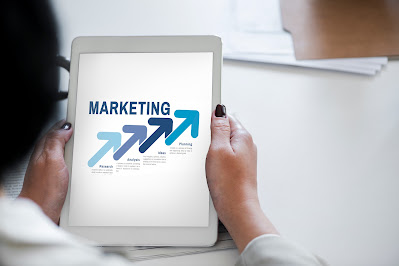
  Lead nurturing is the process of cultivating relationships with potential customers over time through tailored communication and relevant content. It is an essential part of B2B marketing, as it helps businesses to: Convert more leads into customers. Lead nurturing can help to shorten the sales cycle and increase the number of leads that convert into customers. Nurtured leads are nearly twice as likely to purchase as non-nurtured leads. Increase the average deal size. Lead nurturing can help businesses increase the average deal size by educating leads about the full value of their products or services. Reduce customer acquisition costs. Lead nurturing is a cost-effective way to acquire new customers, as it helps to reduce the amount of time and resources that need to be spent on closing each deal. Build stronger customer relationships. Lead nurturing helps businesses build stronger relationships with potential and existing customers by providing them with valuable information ...

Align your sales and marketing teams to generate more leads and close more deals.

Image
Misaligned sales and marketing teams can be a major obstacle to demand generation. When each team is focused on its own goals and objectives, it can lead to wasted resources, duplicated efforts, and a lack of understanding of the customer journey. However, by aligning your sales and marketing teams, you can create a more seamless and effective demand-generation process. This will help you increase lead generation, close more deals, and boost business growth. Here are some tips on how to align your sales and marketing teams for better demand-generation results: 1. Define shared goals and objectives. The first step to aligning your sales and marketing teams is to define shared goals and objectives. What are your business goals? Once you have a clear understanding of your overall goals, you can start to break them down into specific goals for each team. For example, your overall goal might be to increase revenue by 20% in the next year. To achieve this goal, your sales team might need to...

Case Studies of Successful Demand Generation Campaigns

Image
Demand generation is the process of creating awareness and interest in a product or service, with the ultimate goal of driving demand and converting leads into customers. Successful demand-generation campaigns are targeted, personalized, and measurable. They use a variety of channels and tactics to reach the right audience with the right message at the right time. Here are a few case studies of successful demand-generation campaigns: Case Study 1: Salesforce's "Dreamforce to You" Campaign In response to the COVID-19 pandemic, Salesforce transformed its annual Dreamforce event into a virtual experience and offered free registration to anyone who signed up. Salesforce's "Dreamforce to You" campaign attracted over 1 million registrants and boosted their sales pipeline by 50%. Salesforce's success with this campaign can be attributed to several factors, including: Targeting the right audience: Salesforce targeted the campaign to their existing customers an...

How to Measure the ROI of Your Demand Generation Campaigns

Image
Demand generation is the process of creating interest and demand for a product or service. It's a critical part of the marketing process, and it's important to measure the ROI of your demand generation campaigns to ensure that you're getting the most out of your investment. What is ROI? ROI is a metric that gauges the profitability of an investment. In the context of demand generation, it's a measure of how much revenue you're generating from your demand generation activities. The ROI Formula The ROI formula is simple: ROI = (Net profit / Investment cost) In the context of demand generation, net profit is the revenue you generate from your demand generation activities, minus the cost of those activities. Investment cost includes the cost of marketing software, personnel, and advertising. How to Measure ROI in Demand Generation There are several metrics that you can use to measure the ROI of your demand generation campaigns. Some of the most frequently used metrics a...

Crafting an Effective Demand Generation Strategy: A Step-by-Step Guid

Image
In today's competitive business landscape, generating demand for your products or services is crucial for driving growth and achieving success. A well-crafted demand generation strategy goes beyond simply attracting leads; it's about cultivating a genuine interest in your offerings and nurturing that interest until it blossoms into sales. To help you navigate this process, we've put together a comprehensive step-by-step guide to creating an effective demand generation strategy. Follow these steps to attract, engage, and convert potential customers into loyal advocates for your brand. Step 1: Define Your Target Audience Before you can effectively generate demand, you need to clearly define your target audience. This involves understanding their demographics, interests, pain points, and buying behaviors. By understanding your target audience, you can tailor your messaging and content to resonate with their specific needs and aspirations. Step 2: Establish Clear Goals and Obje...